Skin aging is less about the surface and more about the scaffolding beneath it. A look at collagen, structural biology, and what science says about supporting skin from within.
Most conversations about skin begin at the surface — the texture you can see, the tone you can photograph, the fine lines that appear somewhere in your forties and invite a quietly existential morning. But the more interesting story about how skin ages, and how that process might be slowed, begins several layers deeper. It begins in the architecture.
The skin is not a flat canvas. It is a layered, dynamic organ — and the qualities we associate with youthful skin, its firmness, its ability to hold moisture, the way it recovers its shape — are largely properties of its structural foundation rather than its outermost surface. Understanding that distinction changes the way you think about what skin health actually means.
The Scaffolding Problem
Beneath the epidermis lies the dermis, a dense web of proteins that gives skin its mechanical integrity. The two most important of these are collagen and elastin. Collagen provides tensile strength — it's the reason skin holds its shape under pressure. Elastin provides recoil — it's what allows skin to snap back rather than stay creased. Together, they form a scaffolding that, in younger tissue, is dense, well-organized, and actively maintained.
Beginning in the mid-twenties, the body's rate of collagen synthesis starts to slow. By the time most people are in their forties, research suggests collagen production may have declined by as much as one percent per year from its peak — a gradual process, but a cumulative one. Meanwhile, existing collagen is subject to damage from UV exposure, glycation (a process in which sugar molecules bind to proteins and impair their function), and oxidative stress. The scaffolding doesn't collapse suddenly. It quietly thins.
"Aging skin is not skin that has changed — it's skin whose repair systems have slowed."
This reframing matters. If the issue is a slowdown in maintenance and synthesis, then the most meaningful interventions are those that work with the body's own biological machinery rather than simply masking surface-level changes.
What the Research Points Toward
A growing body of evidence is exploring how systemic inputs — nutrition, light exposure, metabolic health — influence dermal structure over time. A few areas that researchers are paying close attention to:
- Collagen peptide supplementation. Several studies have found that hydrolyzed collagen peptides, taken orally, may stimulate fibroblasts — the cells responsible for producing collagen in the dermis — to increase their output. The effect appears modest but consistent across multiple trials, particularly for skin elasticity and hydration.
- Vitamin C. Long recognized as essential to collagen synthesis, vitamin C acts as a cofactor in the enzymatic process that stabilizes collagen's triple-helix structure. Deficiencies are associated with impaired collagen formation; adequate levels appear to support both synthesis and the skin's antioxidant defenses.
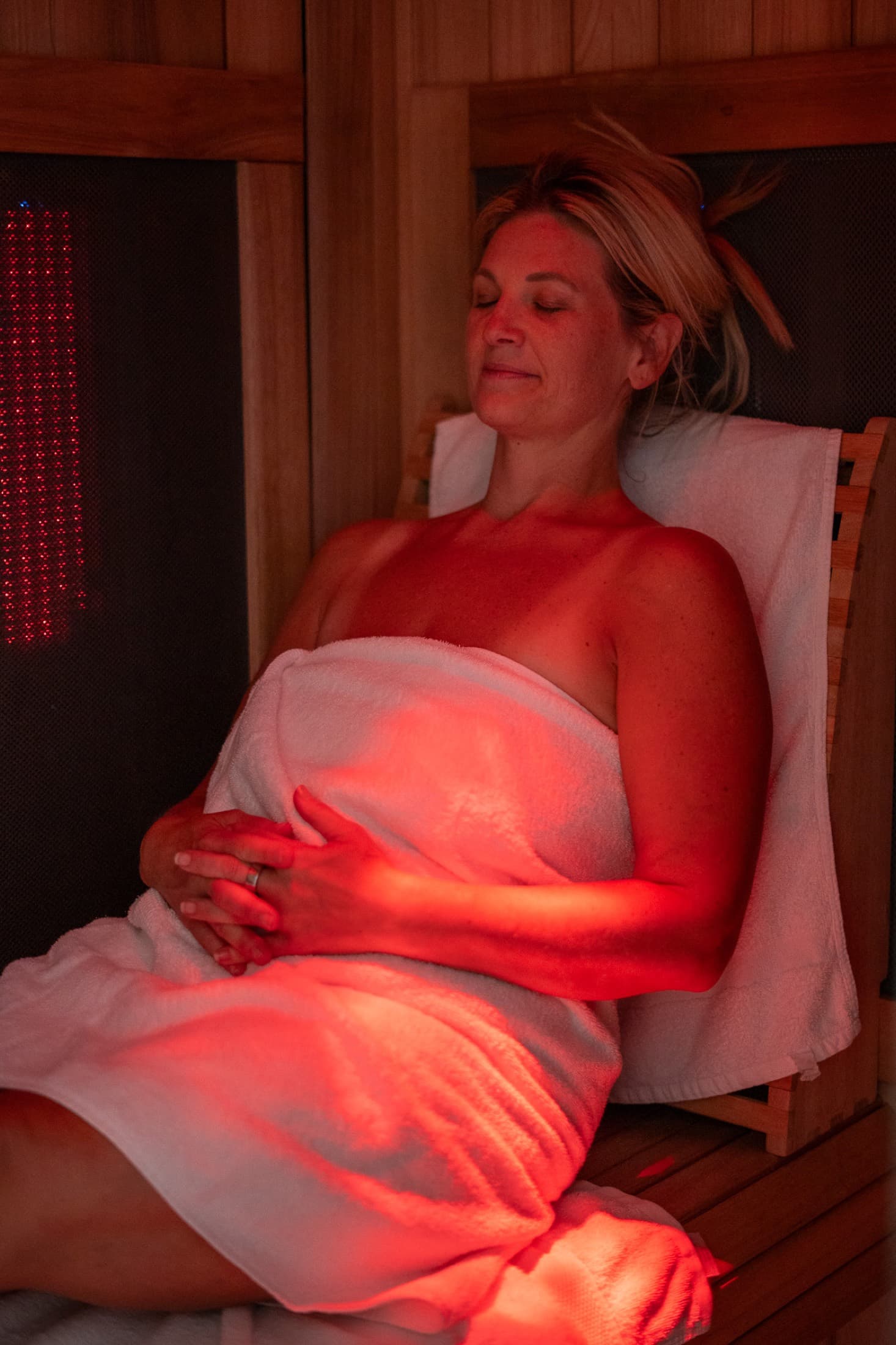
- Photobiomodulation (red and near-infrared light). Emerging research suggests that specific wavelengths of light may stimulate mitochondrial activity in dermal cells, potentially supporting collagen synthesis and reducing markers of photoaging. The mechanistic picture is still developing, but the signal is interesting enough to have attracted serious scientific attention.
- Blood glucose regulation. The glycation process mentioned above — in which excess glucose damages collagen fibers — is increasingly understood as a meaningful contributor to accelerated skin aging. Metabolic health and skin health, it turns out, are not separate conversations.
What these threads share is a common logic: skin quality is downstream of systemic biology. The dermis doesn't operate in isolation from the rest of the body. It reflects, quite literally, what's happening beneath it.
A Longer Frame
There's a tendency to think about skin aesthetics as a vanity project — a category of concern separate from "real" health. But the skin is the body's largest organ, its primary barrier against the external environment, and a reasonably faithful readout of what's happening metabolically and hormonally on the inside. Caring about it thoughtfully isn't superficial. It's integrative.
The most durable improvements in how skin looks and functions over time seem to come not from chasing individual ingredients or treatments, but from taking a longer view — one that asks what the tissue needs to do its job well, year after year. That's a question about biology, not beauty. And like most good biological questions, it tends to lead somewhere more interesting than the surface.